We are interested in understanding how and why biodiversity is distributed as it is and how the relative importance of potential drivers (climatic, anthropogenic, etc.) changes across scales in various taxa. Specifically, our research focuses on understanding the processes shaping global, regional and local patterns of taxonomic, functional and phylogenetic diversity. Our ongoing macroecological research is investigating if incorporating metrics of rarity and uniqueness might aid in conservation prioritization. At a regional scale, we are investigating the potential role of climate and habitat structure on biodiversity, using non-invasive monitoring methods such as camera traps and acoustic recorders. We have just launched our Bolivian Sounds project!
At a local scale, we are currently working on two Neotropical urban gradients to test how landscape configuration and urbanization shape bird communities (in Arequipa, Peru) and plant-pollinator interactions (in La Paz).
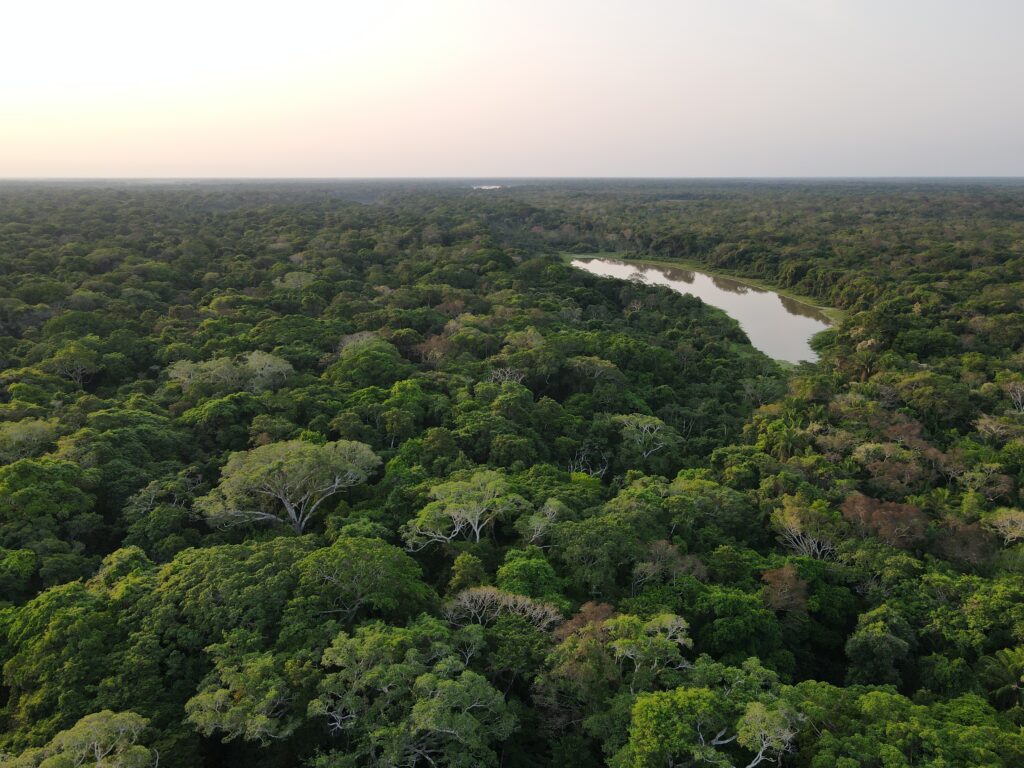
We are interested in understanding how and why biodiversity is distributed as it is and how the relative importance of potential drivers (climatic, anthropogenic, etc.) changes across scales in various taxa. Specifically, our research focuses on understanding the processes shaping global, regional and local patterns of taxonomic, functional and phylogenetic diversity. Our ongoing macroecological research is investigating if incorporating metrics of rarity and uniqueness might aid in conservation prioritization. At a regional scale, we are investigating the potential role of climate and habitat structure on biodiversity, using non-invasive monitoring methods such as camera traps and acoustic recorders. We have just launched our Bolivian Sounds project!
At a local scale, we are currently working on two Neotropical urban gradients to test how landscape configuration and urbanization shape bird communities (in Arequipa, Peru) and plant-pollinator interactions (in La Paz).
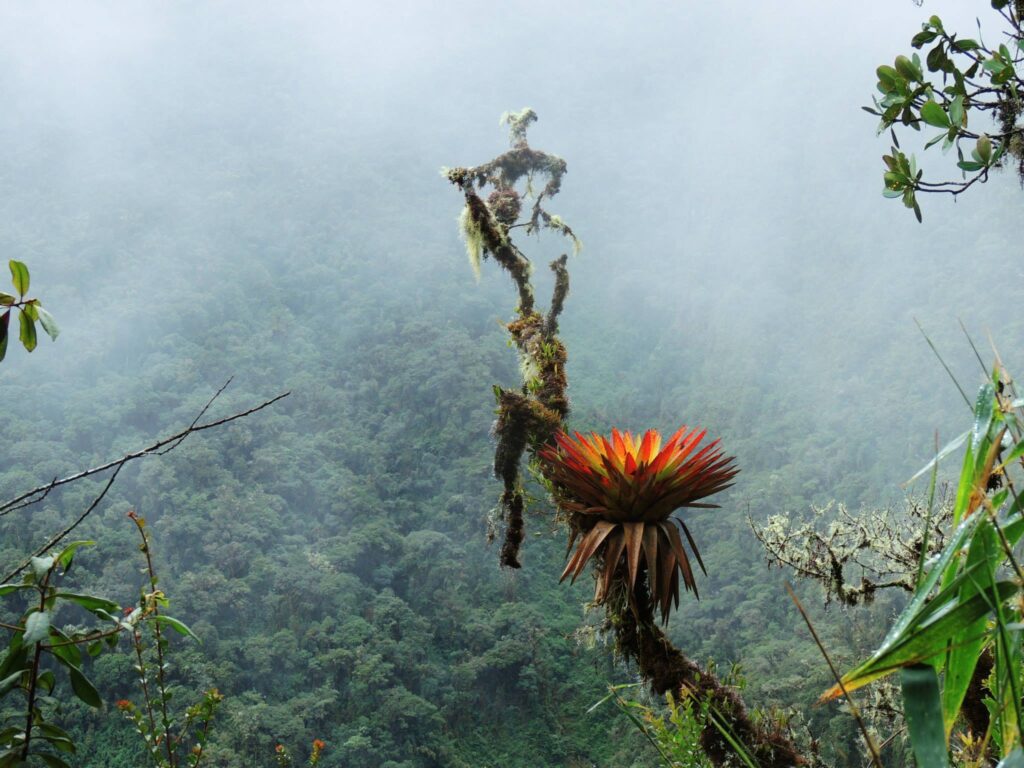
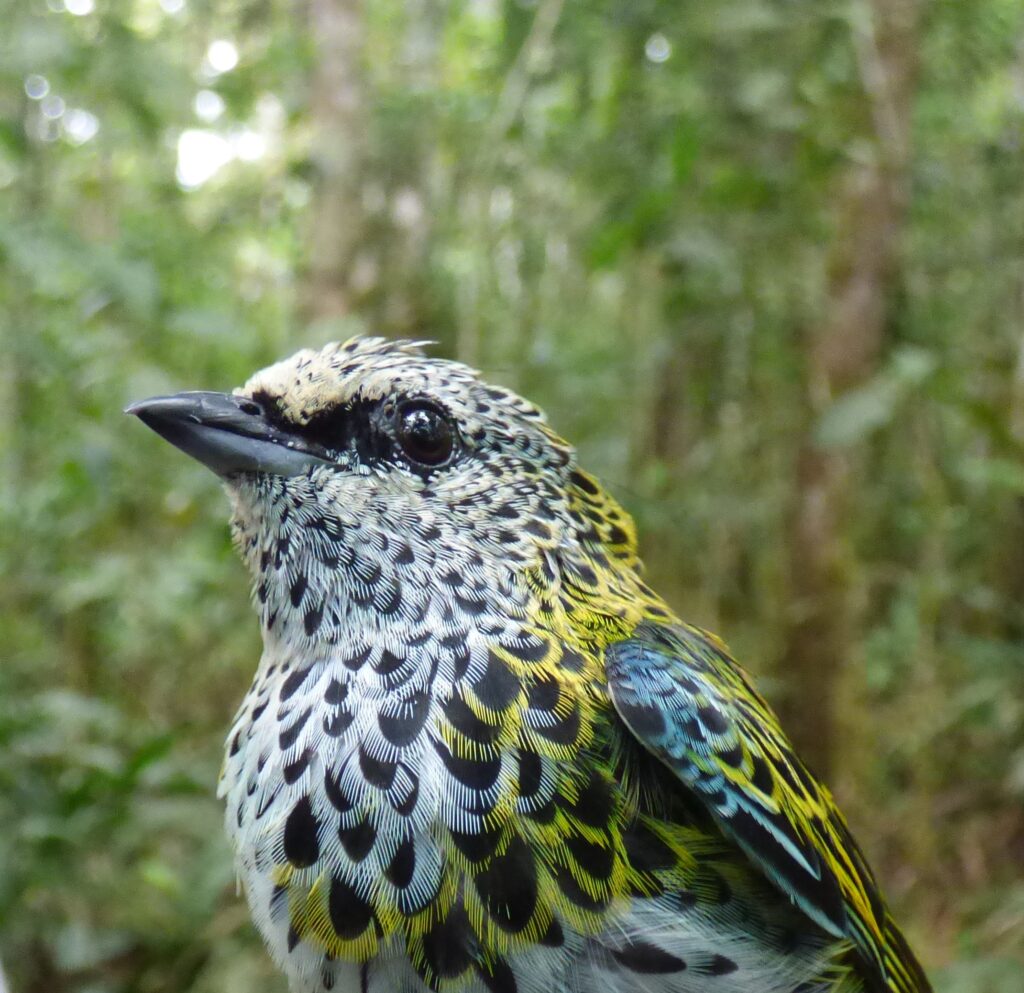
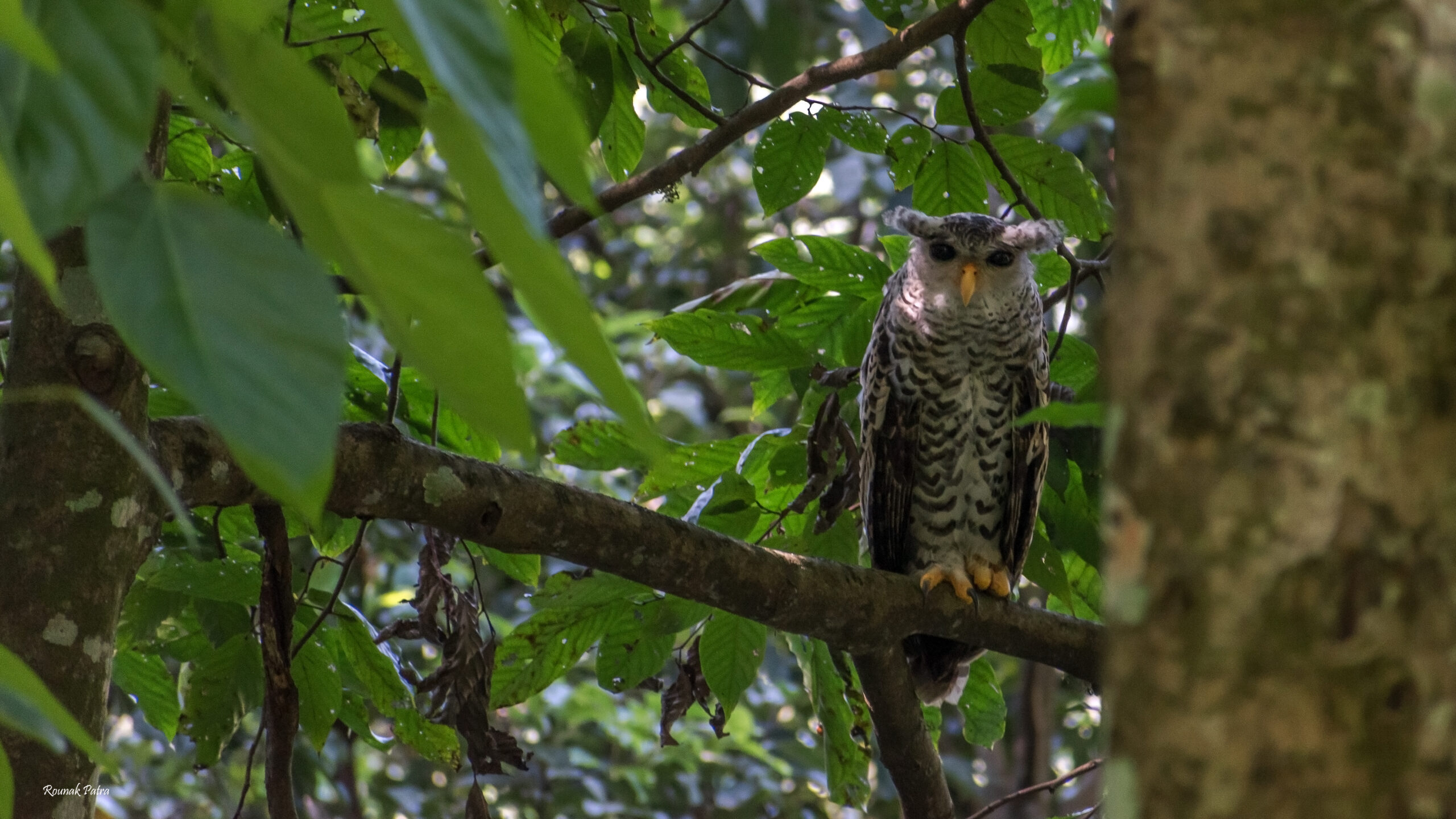
As a lab, we believe in the fundamental role of documenting natural history: the description of patterns through direct observation of the natural world. We resist the current trend to de-emphasize the importance of observation and natural history education in favor of theoretical, or simulation-only research. We make room for both theoretical and computational analyses and the direct description of natural history of our study species and systems.
As a team, we do not work in isolation. We collaborate with and learn from many researchers from across the world, and participate of large collaborative working groups. If you are interested in collaborating, please send me an email at fmontano@lsu.edu
As a team, we do not work in isolation. We collaborate with and learn from many researchers from across the world, and participate of large collaborative working groups. If you are interested in collaborating, please send me an email at fmontano@lsu.edu